Upcoming Event
 Free Newsletter

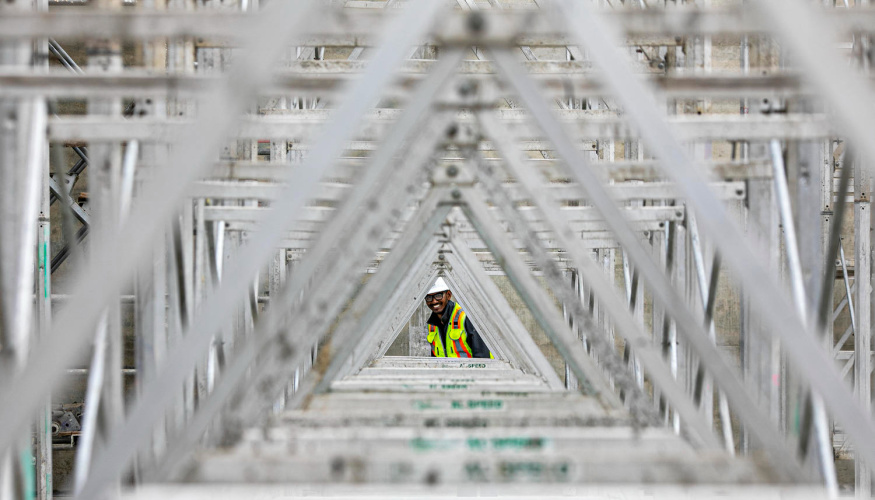
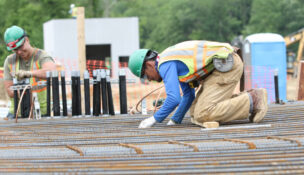
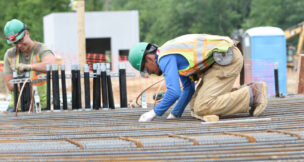
Photo courtesy of Robby Brown + Sundt Construction.
Photo courtesy of Robby Brown + Sundt Construction.
Construction input costs rise 7.1% despite June decline
ColoradoBiz Staff //July 16, 2026//



In Brief:
- Construction input costs up 7.1% year over year
- Contractors’ bid prices rose 3.5% over 12 months
- Diesel fuel prices fell 18.4% in June, but up 65.8% year over year
- Tariffs on aluminum, steel, and copper push costs higher
Construction input costs for new nonresidential projects remained significantly higher than a year ago despite a monthly decline in June, according to an analysis by the Associated General Contractors of America of new federal producer price index data.
The producer price index for inputs to new nonresidential construction increased 7.1% from June 2025 to June 2026, despite falling 0.5% from May. Over the same 12-month period, contractors’ bid prices for new nonresidential buildings rose 3.5%, indicating contractors continued to absorb much of the increase in material costs.
“Although fuel prices dropped in June, they remained far higher than a year earlier,” Ken Simonson, the association’s chief economist, said. “In addition, steep tariffs on aluminum, steel and products containing copper have continued to push up construction costs.”
The producer price index for diesel fuel fell 18.4% in June but remained 65.8% higher than a year earlier. Simonson noted fuel prices have increased since the June data was collected.
Metal prices also continued to rise. Aluminum mill shapes increased 52.4% year over year, while copper and brass mill shapes rose 26.0% and steel mill products increased 16.9%. Simonson said tariffs of up to 50% on those metals have contributed to higher prices.
The producer price index for new nonresidential building construction, which measures contractors’ bid prices, increased 0.1% in June and 3.5% over the past year.
Associated General Contractors officials said ongoing uncertainty surrounding material costs and trade policy continues to complicate project planning.
“Price stability is important for contractors, project owners, investors and governments,” Jeffrey D. Shoaf, chief executive officer of the Associated General Contractors of America, said. “Providing greater certainty on trade policy while enacting a long-term surface transportation bill would help contractors bid work with greater confidence, invest in their businesses and workforce, and ensure critical infrastructure projects continue moving forward.”
t