Upcoming Event
 Free Newsletter

SportsBiz: Community input shapes Denver Broncos stadium plans in Burnham Yard
Stewart Schley //April 21, 2026//
Deposit Photos
Deposit Photos
SportsBiz: Community input shapes Denver Broncos stadium plans in Burnham Yard
Stewart Schley //April 21, 2026//



This article appeared in the Spring 2026 issue of ColoradoBiz titled “SportsBiz: Retraction reaction.”
Here are two things Denver Broncos fans covet when it comes to the team’s successor stadium, likely to be planted in central Denver’s historic Burnham Yard neighborhood.
- A retractable roof.
- Lots of trees
In Brief:
- 66% favor retractable roof in social media poll
- Broncos ownership led by CEO Greg Penner
- Retractable roof adds 30 to 50% to construction costs
- Community input includes calls for trees and local art
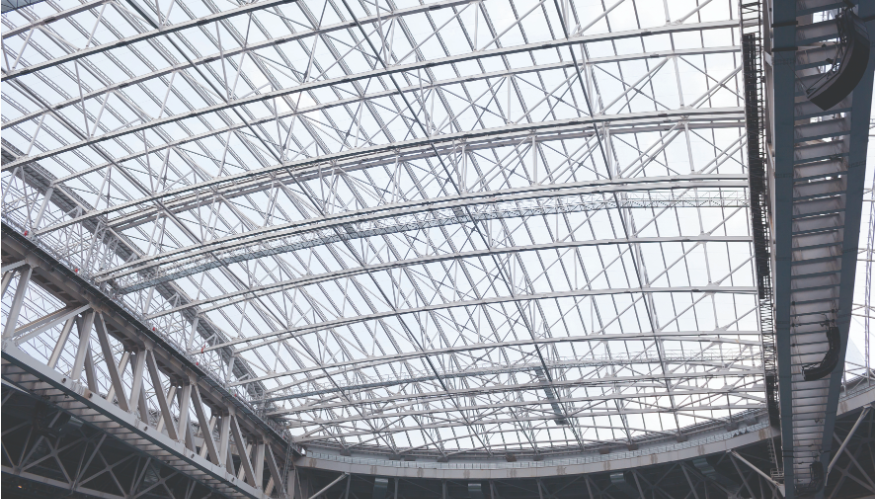
We know where sentiment stands on the first wish, thanks to recent online commentary and a few cursory polls. Some 66% of respondents to a Jan. 26 social-media query conducted by KKFN-FM sports talk host Zach Bye were in favor of some sort of topside structure that could majestically open or close based on weather conditions, event types, spectator comfort, the yen to host a hometown Super Bowl, and, who knows, the possibility team co-owner/CEO Greg Penner might confuse his garage door opener for the stadium control mechanism and errantly startle 70,000 unsuspecting fans as he pulls out of the driveway.
 The second wanna-have item comes courtesy of an advisement to the Broncos’ brain trust scrawled recently on a blue sticky note and pasted on a comment board. “Trees! Trees! Trees!” implored the note, one of dozens collected as part of a community outreach effort the team hosted in February at Denver’s La Alma Recreation Center, located not far from the historic Denver railyard confluence near 13th Ave. and Osage St.
That a concerned citizen took time to speak out for Denver’s arboreal interests reflects the wide breadth of community concern, hope and curiosity surrounding what has become the city’s No. 1 sports-business topic.
Twenty-four years after the razing of the heavy metal battleaxe known as Mile High Stadium, and the opening of its successor, the current Empower Field at Mile High, Bronco Nation is very much aflutter about the where, why and when of a new place to play.
Input from area residents and team followers has been about as varied as Sean Payton’s second-and-short playlist. One sticky-note author wants trees (I sorta get this; it’d be cool to have a towering spruce sprouting up at midfield just to throw off the opposition, like that inexplicable flagpole that used to jut from centerfield at the Houston Astros’ Minute Maid Park).
Another wants the development effort around a new stadium to showcase local artists and their work. Somebody else put in a plea for height restrictions.
And of course, there’s the anti-taxation crowd, warning that should this ownership group try to levy a new tax to pay for the thing, why, they’ll…you know…protest or something. Or possibly root for the Chiefs.
Sorry, that was indelicate. Issues around who pays the bill are paramount. Already, longtime season ticket holders are grumbling about rumors of a “Personal Seat License,” a term NFL owners use to describe the practice of extracting several thousand dollars in a jolting upfront payment for the right to then pay for actual tickets.
It’s akin to what ticketing monopolists like to call (and should probably be forced to spend their eternal afterlife atoning for) a “convenience charge.”
Still, the hard truth is that the money has to come from somewhere. For all the engineering grandeur and spectator comfort bestowed by a climate-controlled enclosed space, there’s a tradeoff: It’s really expensive. Stadium architecture firms and analysts figure a retractable roof can add a 30 to 50% premium to an all-in construction budget that will easily top $1 billion to start.
There’s also some deep emotion going on here. Who among Broncos loyalists cannot summon at will the image of defensive back Louis Wright scampering through snow into the end zone in the 1984 Monday Night Football “Bronco Blizzard” game against the Packers, wherein the Broncos defense scored two touchdowns on Green Bay fumbles in a span of less than two minutes? Now that was outdoor football, people.
Alas, we fear those days are gone. The chances of the Broncos’ ownership group not greenlighting a retractable roof for the new building are basically zilch. There are too many signs pointing to an open-and-shut ceiling.
With ticket prices for NFL games soaring past any semblance of affordability for the commoner, those fortunate souls with disposable cash and solid economic clout will demand a cushy experience.
There’s also the argument for outfoxing unpredictable weather with the press of a few buttons, the better for ensuring favorable patron outcomes at concerts and other extracurricular events.
A roof is also a big positive for overall energy efficiency. And finally, proponents will point to the most coveted prize in all of modern sports-dom: hosting a Super Bowl and the presumed riches it will shower on the metro-area tourism economy.
After a torrent of community input is considered, after the utility lines have been upgraded, after the preservation of historic railyard buildings is (rightly) accounted for, after the bike lanes are laid and the parking spaces are allotted, it’s a sure bet Denver will boast one of the more magnificent stadia in the land. I mean, credit where credit’s due.
The team’s ownership group has done nothing so far but to embrace and adhere to admirably high standards across all lines of operation, from team performance to game-day theatrics.
All of which means that you can count on it, sports fans: The Broncos’ blizzard days of old are just that: old. We’re going to roof it up. Except: Please don’t blame me if I’m wrong. I have the upper hand here. In the prognostication market, as in the world of modern stadium engineering, there’s always room for retraction.
F