Upcoming Event
 Free Newsletter

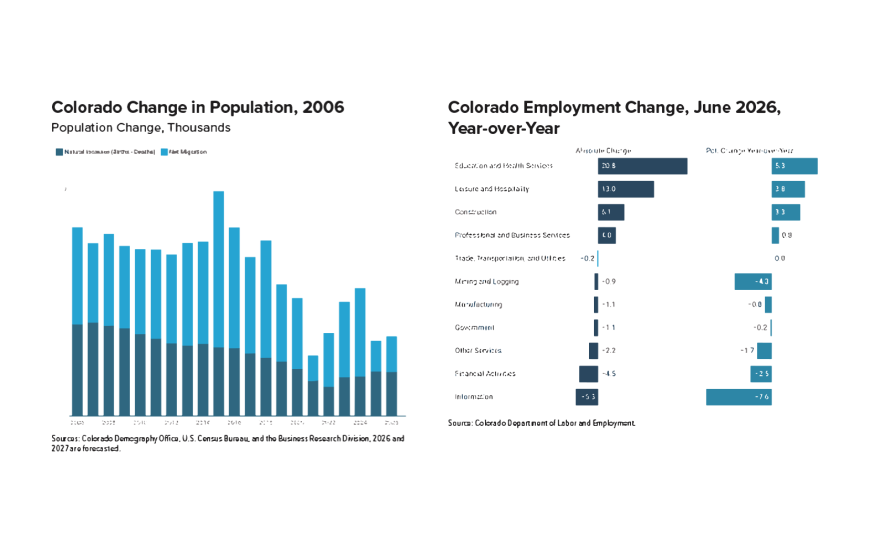
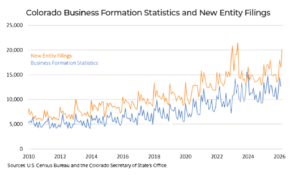
Courtesy of Colorado Demography Office, U.S. Census Bureau, and the Business Research Division, 2026 and 2027 are forecasted; and the Colorado Department of Labor and Employment.
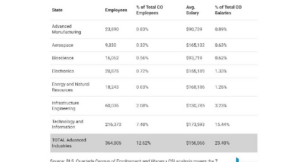
Courtesy of Colorado Demography Office, U.S. Census Bureau, and the Business Research Division, 2026 and 2027 are forecasted; and the Colorado Department of Labor and Employment.
Colorado economy grows despite shrinking labor force
ColoradoBiz Staff //August 11, 2026//



In Brief:
- Colorado economy expanded in first half of 2026
- Labor force shrinks due to aging and slower migration
- Health care and social assistance led job growth
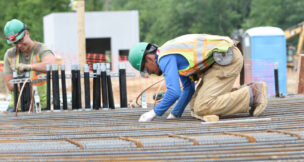
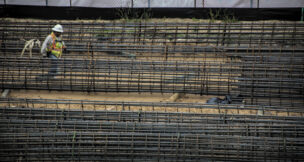
- Construction added jobs despite financing challenges
Colorado’s economy expanded during the first half of 2026, though a shrinking labor force, slower population growth and inflation could constrain near-term growth, according to a University of Colorado Boulder report released Aug. 11.
Employment, economic output, personal income and wealth increased during the first half of the year in Colorado and nationally, according to the Colorado 2026 Midyear Economic Update from the Business Research Division at CU Boulder‘s Leeds School of Business.
Colorado remained above the national average in several long-term measures, including gross domestic product growth, personal income growth and labor force participation. However, an aging population and slower net migration have reduced the state’s labor supply.
“This is squeezing the supply of labor in Colorado, which will inherently lead to slower job growth in the near term,” said Brian Lewandowski, executive director of the Business Research Division.
Job growth was concentrated in a limited number of industries. Health care and social assistance accounted for more than half of the jobs added through June. Construction continued to add jobs despite financing and workforce challenges.
Agriculture, manufacturing and parts of government faced pressure from drought, tariffs, worker shortages and reductions in the federal workforce.
The report found that the risk of a downturn has declined since last year. However, higher energy prices, inflation, geopolitical conflict and the possibility of stagflation continue to affect the economic outlook.
s