Upcoming Event
 Free Newsletter

Colorado to regulate public EV charging stations starting July 1
ColoradoBiz Staff //June 23, 2026//
Deposit Photos
Deposit Photos
Colorado to regulate public EV charging stations starting July 1
ColoradoBiz Staff //June 23, 2026//



In Brief:
- Colorado Department of Labor and Employment enforces new ev rules
- Mahesh Albuquerque highlights consumer protection importance
- Registration required for ev stations by jan 1, 2027
- Enforcement actions begin july 1, 2027 with inspections later
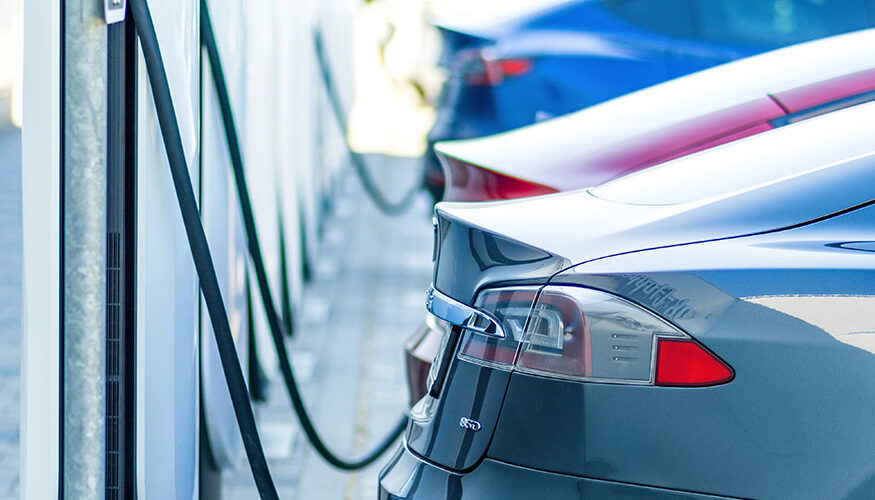
DENVER — The Colorado Department of Labor and Employment will begin enforcing new standards for publicly accessible electric vehicle charging stations starting July 1, establishing requirements intended to ensure accurate billing and consumer transparency.
The regulations, adopted by the department’s Division of Oil and Public Safety under state law, establish specifications and tolerances for public retail EV charging stations. The rules apply to charging stations that charge customers based on the electricity dispensed.
“This is a significant step forward in ensuring consumer protection and marketplace consistency,” said Mahesh Albuquerque, director of the Division of Oil and Public Safety. “As electric vehicle adoption continues to grow across our state, it is vital that drivers have confidence in the accuracy of the charging infrastructure.”
The regulations require owners and operators of existing retail EV charging stations installed before July 1, 2026, to register their equipment with the state by Jan. 1, 2027. New charging stations placed into service after July 1 must be registered within 30 days of operation.
The rules also require all retail EV charging devices to be installed, tested and placed into service by a registered service agent. Testing results must be submitted to the state, and devices installed after July 1 must submit a placement-in-service form within 90 days of entering service.
While the regulations take effect July 1, the division said it will not begin enforcement actions until July 1, 2027. Inspections are expected to begin later this year.
The regulations do not apply to free charging stations, private residential chargers where no retail transaction occurs or wholesale electricity sales.
Additional information, including registration requirements, is available through the Division of Oil and Public Safety.
t