Upcoming Event
 Free Newsletter

How retailers can revive low-traffic store zones with smart design
Raelee Annett
Genoptic Smart Displays //April 24, 2026//
Deposit Photos
Deposit Photos
How retailers can revive low-traffic store zones with smart design
Raelee Annett
Genoptic Smart Displays //April 24, 2026//



In Brief:
- 90% of Americans instinctively veer right at store entrances
- Interactive demos can increase sales by up to 540%
- Smart displays boost total floor revenue by 11.15%
- Staff placement in dead zones changes shopper behavior
Every retailer knows the phenomenon, and its cause isn’t always obvious. It’s the patch of floor shoppers consistently skirt around, observed from a distance and rarely entered. With product gathering dust through multiple inventory cycles, dead zones aren’t just an aesthetic problem. They’re a revenue leak that compounds daily – drips that turn into margins wasted on square footage that’s costing rent to maintain.
The Physics of How Shoppers Actually Move
Here’s a stat that should reshape every floor plan conversation: 90% of Americans instinctively veer right the moment they cross a store threshold. Nobody taught them to do it. Nobody’s stopping them from going left. It’s wired in, which means left-side aisles and back corners don’t suffer from bad product selection. They suffer from human habits. Retailers who’ve spent years treating dead zones as a merchandising problem have been solving the wrong equation entirely.
Angled aisles can physically interrupt that default rightward pull and coax foot traffic toward otherwise ignored quadrants. It’s a path design as a behavioral nudge, and it works far better than hoping a promotional sign does the heavy lifting.
Sensory Architecture Beats Static Signage
A digital billboard for sale in a neglected corner costs fractions of what wasted square footage bleeds annually. But visuals alone won’t crack the cold zone problem. Scent, curated sound, and targeted lighting all function as invisible traffic controllers. The nose is faster than the eyes. A shopper moving through a store will redirect before they’ve consciously registered why, pulled by something in the air or a shift in ambient sound 12 steps before any signage enters their field of vision.
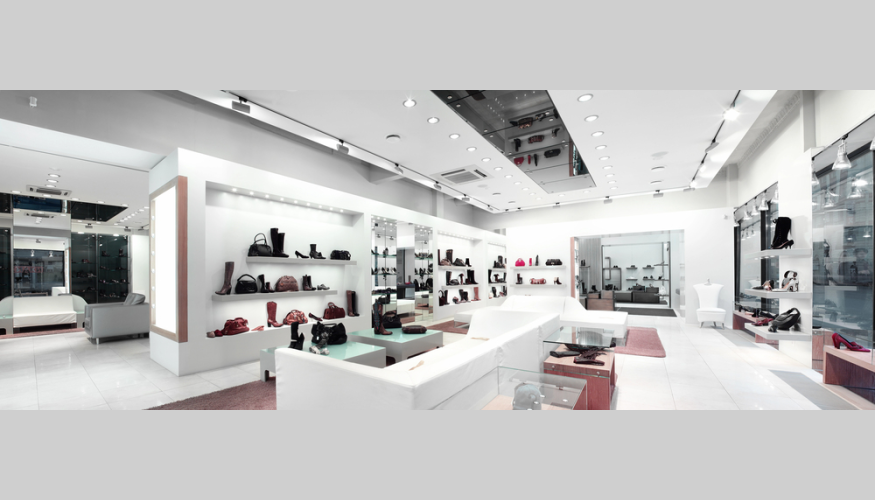
The data reinforces this: 84% of consumers say store aesthetics actively shape their purchasing decisions. Lighting choices, visual composition, and creative spatial layouts are what separate an ignored area from one that shoppers actually want to spend time in. A neglected corner with flat lighting and predictable shelving telegraphs low priority even when it stocks high-margin product.
Turn Cold Corners Into Destination Hubs
The most counterintuitive move a retailer can make is anchoring a coffee bar or tactile demo zone in the back half of the floor. When a dead zone becomes a reason to walk there rather than just a place to pass through, dwell time climbs and adjacent product gets real exposure.
Interactive demos deserve particular attention here. Appealing, hands-on displays can drive sales increases up to 540%. That’s not a rounding error. That’s a cold zone transforming into one of the most productive square feet in the building.
Staff Placement as a Traffic Strategy
Half of global consumers say knowledgeable associates directly influence where they browse and what they buy. Most retailers park their best staff near the entrance or the registers. That’s precisely backwards for solving a dead zone problem. Strategically placing an associate in a low-traffic area changes the social geometry of that space entirely. Shoppers who’d normally drift past will slow down, make eye contact, and suddenly find themselves genuinely interested in product they had no prior plan to consider.
Smart Displays and the Revenue Math
Distributing displays evenly across all zones rather than clustering them in already-busy sections yields an average revenue bump of 11.15% across total floor performance. That figure compounds meaningfully against annual revenue, especially for large-format retailers who’ve spent years leaving back corners as afterthoughts.
Exclusives placed strategically in cold zones add another layer. Once shoppers understand that a limited product or early-access offering lives somewhere they’d normally skip, the perceived value of that zone shifts in their mental map of the store, and it tends to stay shifted.
The Continuous Optimization Mindset
Heatmapping hot versus cold zones gives retailers the diagnostic clarity to stop operating on gut feel. Redirecting traffic through design and sensory cues, placing smart displays and exclusive deals in ignored areas, rotating fixtures, and adjusting staff coverage based on actual movement patterns rather than managerial instinct keeps any reactivated zone from sliding back into irrelevance. Dead zones don’t stay fixed by accident. They stay fixed because someone built a system around keeping them alive.
The retailers pulling the most revenue from every square foot are treating floor space as a living, data-responsive environment rather than a static arrangement that only rarely gets reconsidered during a planogram review.
Author bio: Raelee Annett is the Senior Multimedia Designer at Genoptic Smart Displays, a tech company that produces advanced LED digital signage solutions integrated with cloud-based software. She has over 15 years of experience as a creative director and brand strategist across various fields. At Genoptic, she focuses on creating visual content, managing multimedia assets, and designing engaging graphics and animations for Genoptic’s smart display platforms.
l