Upcoming Event
 Free Newsletter

Tariff refund system launches as thousands file claims in the US
Timothy Aeppel, Nicholas P. Brown and David Lawder
Reuters //April 20, 2026//
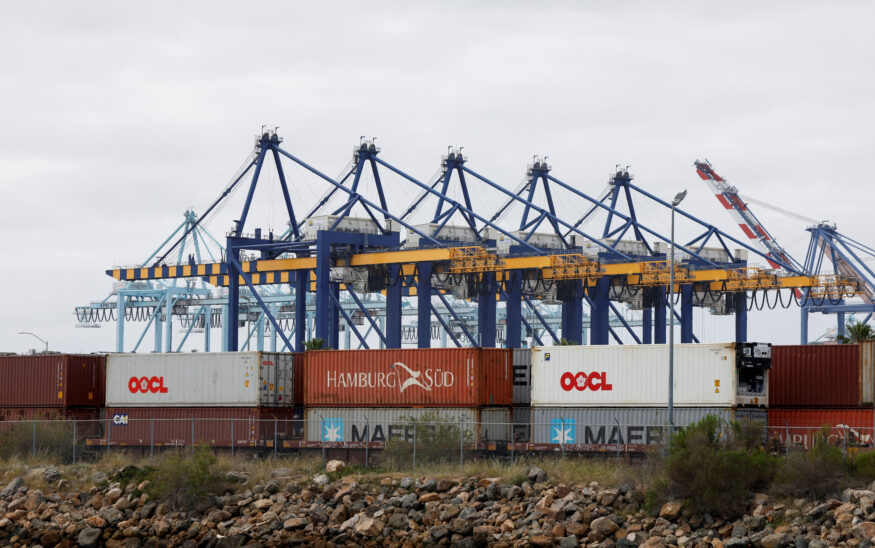
Shipping containers wait to be transported along a railroad at the port of Los Angeles in Long Beach, California, U.S., March 10, 2026. REUTERS/Caroline Brehman/File Photo
Shipping containers wait to be transported along a railroad at the port of Los Angeles in Long Beach, California, U.S., March 10, 2026. REUTERS/Caroline Brehman/File Photo
Tariff refund system launches as thousands file claims in the US
Timothy Aeppel, Nicholas P. Brown and David Lawder
Reuters //April 20, 2026//



(Reuters) – The refund system set up to allow companies to recover illegally collected tariffs from the U.S. government went live on Monday as thousands of companies rushed to file claims.
In Brief:
- U.S. Customs and Border Protection launches refund system
- Over 56,000 importers filed claims totaling $127 billion
- Basic Fun CEO Jay Foreman reports system glitches but stable
- Learning Resources seeks $10 million in refunds after lawsuit
“So far, so good,” though the system is a little glitchy, said Jay Foreman, CEO of toymaker Basic Fun, which had a team in its “war room” at its headquarters in Boca Raton, Florida, ready to start filing when the system went live at 8 a.m. U.S. Eastern time (1300 GMT).
Foreman said the system didn’t crash as some had feared it might under the onslaught of attempted submissions, but would sometimes refuse uploads and force them to retry. The company has over 500 files to upload to the system, although the system allows them to be uploaded in batches.
“However, if you load too many or the system is too busy, it will kick them back,” Foreman said in an email about how the process was working in the early moments. “We’ve got over 50% of our invoices loaded so far. We are hoping in the next few hours to have them all loaded. I’m very happy we got this process started early.”
Companies contacted by Reuters in recent days expressed concerns about the durability of the new system, created by U.S. Customs and Border Protection in response to a court order that it prepare to return up to $166 billion to importers.
“I’m relieved that the portal seems to be functioning properly,” said Cassie Abel, CEO of Idaho-based outerwear company Wild Rye. Abel had her customs broker make the submission, which she said cost her $250 for the first phase of the filing.
The U.S. Supreme Court in February struck down the tariffs President Donald Trump pursued under a law meant for use in national emergencies, handing the Republican president a stinging defeat.
In court filings, Customs officials said that as of April 9, some 56,497 importers had completed the necessary steps to receive electronic refunds, totaling $127 billion, or more than three-quarters of the total eligible for refund. More than 330,000 importers paid the tariffs at issue on 53 million shipments of imported goods.
It is unclear whether getting a refund claim into the portal as soon as possible will impact how quickly it’s processed, but many companies decided not to take the risk of waiting.
A CBP spokesman said on Friday that they created a system that will “efficiently process refunds, pursuant to court order, for importers and brokers who paid” the duties.
Long Battle Over Tariffs
Rick Woldenberg, CEO of educational toy maker Learning Resources, said he had heard some users experienced temporary crashes, but he wasn’t among them. “I think it was sort of like everyone was lined up to get Taylor Swift tickets – they all hit the button at once,” Woldenberg said.
Learning Resources, one of the plaintiffs in the lawsuit that led to the tariffs’ undoing, is seeking refunds totaling some $10 million. The company has filed about 5,000 entries, and so far, the vast majority have been accepted.
Woldenberg voiced some frustration at having to file for reimbursement at all, saying: “They have a ruling from the Supreme Court that says they over-collected taxes, so why do I have to tell them to send it back?”
Still, he said he was impressed with how smoothly the system has run so far.
“The policies set at the top have nothing to do with the professionals who work in CBP, and those folks have done a good and earnest job,” said Woldenberg.
Lynlee Brown, global trade partner at EY, said the firm’s clients have largely seen the system accept most submissions without problem, but that the first phase of submissions included easier ones that are less complex.
Brown said that once the entries are accepted by the system, they are then sent to a mass-processing phase that is supposed to automate the payment of refunds within 60 to 90 days. “If an origin comes up that looks fishy,” she said, “that will probably go to a human for review.”
This is the latest twist in a drawn-out battle over emergency tariffs collected over the past year as Trump seeks to restructure U.S. trade relations. The constantly shifting tariffs roiled global business as companies rushed to shift supply chains to avoid them and figure out who would ultimately pay the taxes.
(Reporting by Timothy Aeppel and Nicholas P. Brown, editing by Daniel J. Burns and Deepa Babington)
T