Upcoming Event
 Free Newsletter

Rundles Roundup: Ford CEO prioritizes affordable vehicles amid rising US car prices
Jeff Rundles //July 21, 2026//
Deposit Photos
Deposit Photos
Rundles Roundup: Ford CEO prioritizes affordable vehicles amid rising US car prices
Jeff Rundles //July 21, 2026//



In Brief:
- Ford CEO Jim Farley commits to affordable vehicles
- Average new car price in U.S. hits nearly $50,000
- Kelley Blue Book reports 19% price increase since pandemic
- Consumers prefer basic car models over luxury add-ons
This article appears in the Summer 2026 issue of ColoradoBiz under the title, Less is More.
By Jeff Rundles
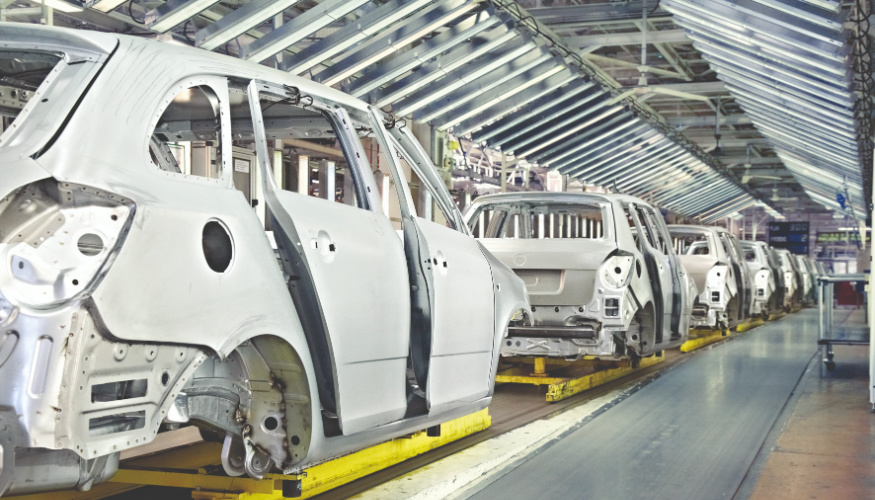
Recent comments by the CEO of Ford Motor Co., Jim Farley, really struck me as watchwords in today’s economy – or really any economy, for my money. He said his company must and would make it a priority to make more affordable vehicles because car prices have become out of reach for many American households. Duh.
These comments came on the heels of a report from Kelley Blue Book that the average price of new cars and trucks in the American market has just about hit $50,000, up some 19% from the beginning of the COVID pandemic six years ago.
And it also comes at a time when automobile dealers are reporting that car shoppers are eschewing the rash of bells and whistles that manufacturers have been stuffing down our throats for the last 30 years, opting instead for such things as cloth seats, analog gauges, less busy and complicated touch screens and all of the other expensive add-ons that are big profit centers for car makers.
In other words, American car shoppers are becoming more like me. You’re welcome. I was an auto writer, a car reviewer, for more than 40 years, and I made it a point to notice that new cars and trucks are unnecessarily tricked out with bells and whistles that don’t, ultimately, enhance the driving experience.
I bought a brand-new Jeep Compass in 2018, biding my time as the dealer steered me toward the more expensive trims, and I saved over $10,000 by getting the most basic model. Same engine. Same driving experience. No nonsense. Extra money in my pocket.
And it’s not just cars. Last year, my clothes dryer conked out, and I went to all the appliance stores and was shown all the whiz-bang models on the showroom floor – many of which had features I wouldn’t even know how to use. They ranged from $1,200 to $2,500, but I ended up with an entry-level GE dryer for about $500 delivered and installed.
What I have found out is that my clothes are just as dry, just as fluffed, and I have an extra thousand or two in my pocket. I had the same experience with a refrigerator the year before; I didn’t get the most basic model, but I saved hundreds and my food is fine.
It’s not as though this trend hasn’t been going on for years or anything. Supermarkets have store brands in everything from food to toiletries and cold medicine, and they sell well. And don’t forget prescription drugs: doctors, pharmacies, and even health insurers alike tout the savings and effectiveness of generic drugs, and no one bats an eye.
And just basically, Big Box stores and ultimately Amazon came about because they could offer the same or nearly the same products for much less money. Ford Motors’ CEO, Farley, is just 30 years or so behind the curve.
Now, of course, it doesn’t work with everything. I mean, c’mon, Cheerios are just better than the generic cardboard-tasting Merry Os from Aldi, and worth the extra two bucks. Temu is online like Amazon, but has become a trope for schlock.
What’s interesting, even fascinating, is that the trend for fancier bells and whistles on things like cars and clothes dryers had as much to do with vanity as anything else. For instance, car companies have their regular lines and “luxury” lines – Honda/Acura, Toyota/Lexus, Ford/Lincoln, Cadillac/Chevy, etc. – and in many cases, they make the same cars on the same production lines, and then dress up the higher-end brand with fancier leather or whatever. Lipstick on a pig. But car buyers feel better about themselves as Lexus drivers than Toyota drivers, and they’ll pay premiums for the vanity show.
There is nothing like a tough economy to change the dynamic. Gasoline doubles in price, and suddenly, the consumer market rushes to economize. I just got to this point long ago.
I’m not cheap, I’m thrifty. Not thrifty enough to compromise my lifestyle, but just enough to know when less is more. You’re welcome.