Upcoming Event
 Free Newsletter

Colorado businesses face higher costs and uncertainty from federal tariffs
ColoradoBiz Staff //March 31, 2026//
Deposit Photos
Deposit Photos
Colorado businesses face higher costs and uncertainty from federal tariffs
ColoradoBiz Staff //March 31, 2026//



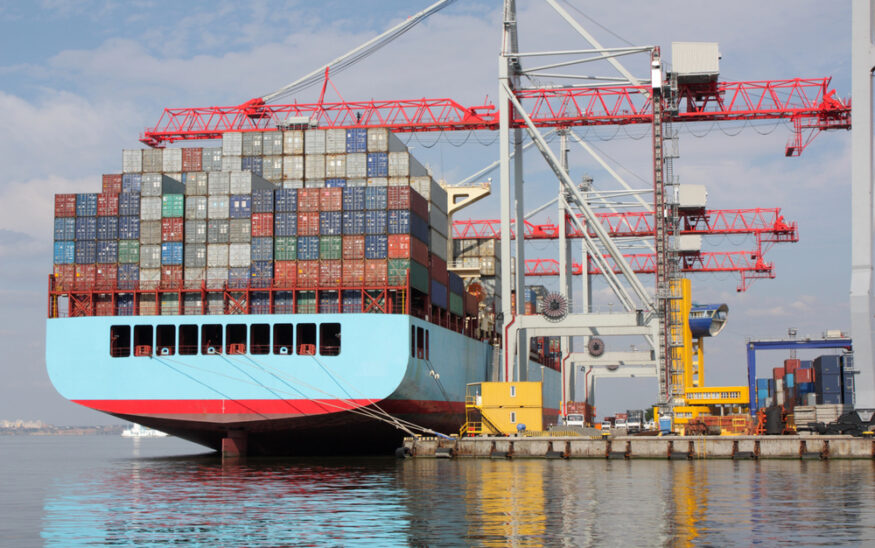
DENVER — Small business owners and manufacturers across Colorado say federal tariffs have raised costs, disrupted supply chains and complicated planning, according to a Tuesday roundtable with state officials and industry representatives.
In Brief:
- Gov. Jared Polis calls for tariff refunds and certainty
- Vederra Modular sees 6–7% material cost increase from tariffs
- Colorado projected tariff rate at 8.8% in 2026
- World Trade Center Denver offers tariff mitigation support
Participants described ongoing effects even after a recent U.S. Supreme Court decision struck down major portions of the tariffs. Many said they continue to face higher input prices and uncertainty as they navigate a federal refund process expected to take months or longer. The federal government is working to return about $166 billion in tariff duties.
“It’s long been clear: tariffs are a tax increase that raises costs, creates uncertainty and makes it harder to grow and hire talent,” Gov. Jared Polis said. “We need certainty, lower costs, and for the federal government to follow through on refunds so Coloradans can get back what we’re owed.”
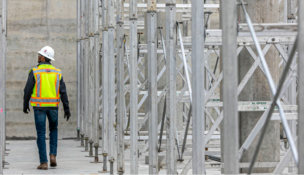
Business owners said cost pressures extend beyond materials. Nathan Peterson, founder and CEO of Vederra Modular, said tariffs increased his company’s material costs by about 6% to 7% over the past year and contributed to supply chain instability and inconsistent delivery times. To compensate, the company is carrying more inventory, increasing capital costs and pushing up housing prices, he said.
State data points to broad impacts. The Office of State Planning and Budgeting reported U.S. tariff revenue of $287.1 billion on $3.44 trillion in imports in 2025, an effective tariff rate of 8.3%, up 219% from 2024. For Colorado, the office projects effective rates of 8.8% in 2026 and 7.7% in 2027, compared with projected U.S. rates of 9.3% and 8.1%, respectively.
The report found small businesses have borne a disproportionate share of the increases and often lack resources to pursue refunds.
State agencies and partners said they are offering assistance, including advising, supply chain support and access to capital. A program run with World Trade Center Denver provides tariff updates and consulting to help companies reduce costs and adjust sourcing.
“More than 70% of tariffs were paid for by U.S. industrial manufacturers last year,” said Karen Gerwitz, president and CEO of World Trade Center Denver. “We offer manufacturers, importers and distributors education, support and some relief through the Tariff Mitigation Program.”
Officials said businesses can seek help navigating the federal refund process through a state tariff navigation program.
-