Upcoming Event
 Free Newsletter

Colorado joins coalition challenging federal wind project freeze
ColoradoBiz Staff //July 16, 2026//
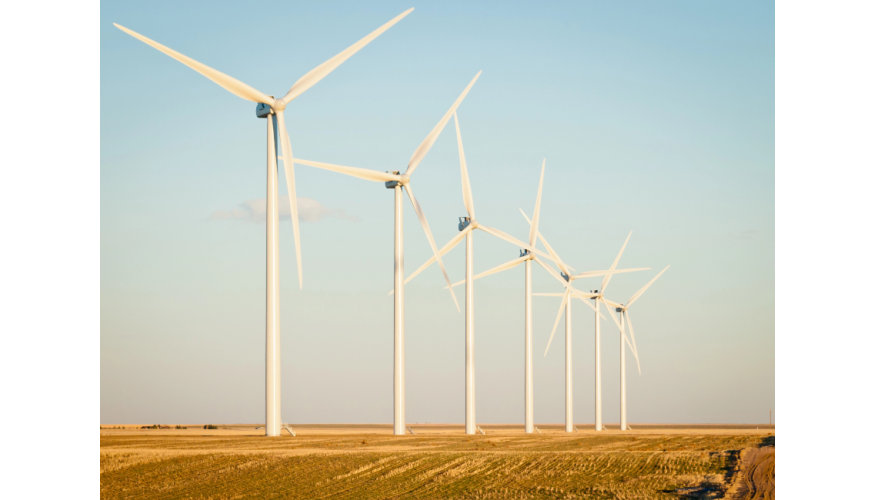
Wind turbine farm in Limon, CO. Deposit Photos
Wind turbine farm in Limon, CO. Deposit Photos
Colorado joins coalition challenging federal wind project freeze
ColoradoBiz Staff //July 16, 2026//



In Brief:
- Colorado joins 19-state attorneys general coalition
- Defense Department freeze affects projects over 200 feet
- Towner Wind Energy II Project at risk in Kiowa County
- At least $2.687 billion investment and 7,124 jobs threatened
DENVER — Colorado has joined a coalition of 19 attorneys general seeking to intervene in a lawsuit challenging the U.S. Department of Defense’s freeze on reviews of land-based wind energy projects.
The coalition is asking a federal court to set aside the freeze and require the department to resume reviews mandated by federal law. The lawsuit names the department and Defense Secretary Pete Hegseth as defendants.
The review process applies to proposed projects with turbines taller than 200 feet, including utility-scale wind developments. The Federal Aviation Administration refers those projects to the Defense Department to assess possible effects on military operations, radar systems, flight paths and national security.
The department stopped advancing projects through the review process in August 2025, according to the coalition. Officials stopped finalizing mitigation agreements and delayed or ended communications with developers, leaving projects awaiting approval.
Several Colorado projects are affected, including the proposed 500-megawatt Towner Wind Energy II Project in Kiowa County. At least $2.687 billion in private investment and 7,124 jobs are at risk statewide, according to industry plaintiffs that originally filed the lawsuit.
Wind supplied 29% of Colorado’s energy generation in 2024 and 67% of its renewable generation. The state has set a goal of achieving a 100% net reduction in statewide greenhouse gas pollution by 2050.
“Wind energy is a critical part of Colorado’s clean energy future,” Colorado Attorney General Phil Weiser said. “The success of wind power in Colorado demonstrates that these interests can be successfully balanced.”
Before the freeze, the Defense Department worked with developers to address potential security concerns through measures such as relocating or reducing the height of turbines, upgrading radar systems or temporarily pausing generation.
The attorneys general argue that the freeze violates the Administrative Procedure Act and has caused unreasonable delays. They also contend that the department did not adequately explain the policy change or consider its effects on states, developers, workers and ratepayers.
The coalition includes attorneys general from 18 states and the District of Columbia.
s