Upcoming Event
 Free Newsletter

CSI study examines Colorado Springs housing affordability
Co-author concludes city is at its highest level of unaffordability
ColoradoBiz Staff //June 25, 2024//
CSI study examines Colorado Springs housing affordability
Co-author concludes city is at its highest level of unaffordability
ColoradoBiz Staff //June 25, 2024//



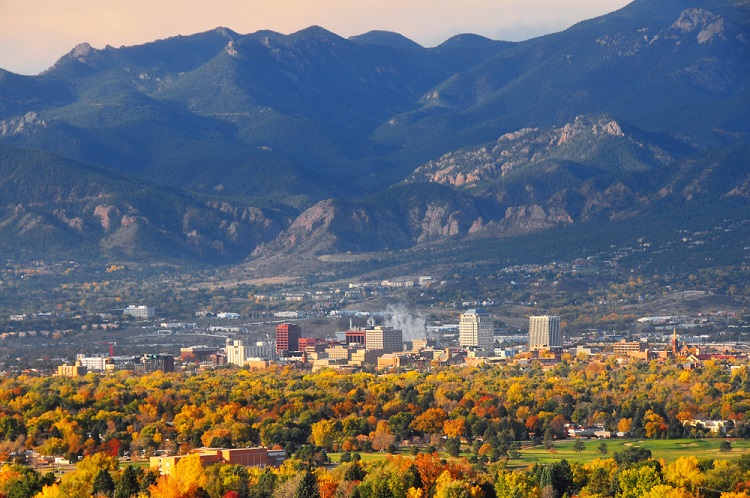
A recent study by the Common Sense Institute examines how housing affordability has changed in Colorado Springs over the last 15 years and concludes that the city is at its highest level of unaffordability.
The study on Colorado Springs housing affordability, authored by CSI Housing Fellow Peter LiFari and CSI Chief Economist Dr. Steven Byers, points out that since 2005, an estimated 117,000 new residents have come to Colorado Springs. Over the same period, the average priced home rose 119% from $218,707 to $449,123, as of February 2024.
“Increased demand and lagging development have created a shortage of housing and a tight housing market,” said Dr. Byers. “Recent increases in mortgage rates have reduced affordability for those looking to purchase a home.”
CSI’s report shows there is a mismatch in the value of housing and households mortgage capacity in Colorado Springs. The total mismatch in the Colorado Springs region is second only to the Fort Collins area. The largest mismatch in Colorado Springs is in the $300,000 to $499,999 range and the smallest is in the less than $50,000 range.
“Housing in Colorado Springs is currently at its highest-ever level of unaffordability,” said LiFari. “Without an increase in the construction of new housing at all price levels, Colorado Springs will continue to have a housing supply shortage. They must stay the course, trust their extensive planning efforts, harness the feedback from the forthcoming community plans, and scale what is driving results on a community-by-community basis.”
The Common Sense Institute is a nonpartisan research organization based in Greenwood Village.
Key findings of the study:
• The housing deficit in 2023 is in the range of 16,554 to 27,360 units. To meet population growth by 2028 and close the housing deficit, between 32,000 and 43,000 housing units will need to be built.
• Due to elevated housing prices and rising interest rates, the affordability of purchasing a home in Colorado Springs is at an all-time low. In just the past 10 years, the cost (purchase price plus mortgage cost) of purchasing a home has increased by 82.6%. A large part of that increase has occurred over the last three years.
• Household incomes have not kept pace with rising housing costs. Between February 2015 and February 2024, the average hourly wage increased by 38% from $24.84 to $34.29. However, due to the rapidly increasing cost of housing, the number of hours of work required to cover the median monthly mortgage payment increased from 43 hours to 86 hours, a 100% increase.
• Between 6,403 and 8,564 permits are needed annually through 2028 to close the current housing supply deficit in Colorado Springs and meet the demands of future population growth. Projected permitting for new housing in 2023 was strong in the summer months but tapered off as home builders continue to assess the demand for housing in a higher interest rate environment. Over theperiod from 2020 through 2023, the average annual number of permitted units issued was 4,879. This historical average is 76% to 57% of the number of permits necessary to close the deficit and meet new housing demand by 2028.
• The current level of permitting for new housing is not enough. Based on permit data through January 2024, Colorado Springs is projected to issue 3,432 permits in 2024, which, if its pace is sustained, is not enough to close the deficit plus new housing demand by 2028.
s