Upcoming Event
 Free Newsletter

The Bureau of Reclamation releases draft EIS for post-2026 river ops
ColoradoBiz Staff //January 12, 2026//
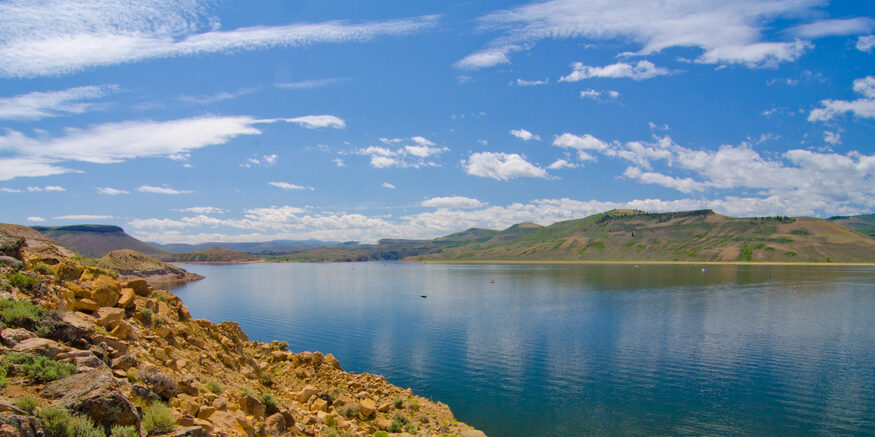
Blue Mesa Reservoir in the Curecanti National Recreation Area in Southern Colorado. Deposit Photos
Blue Mesa Reservoir in the Curecanti National Recreation Area in Southern Colorado. Deposit Photos
The Bureau of Reclamation releases draft EIS for post-2026 river ops
ColoradoBiz Staff //January 12, 2026//



WASHINGTON — The Bureau of Reclamation has released a draft Environmental Impact Statement evaluating options for operating Colorado River reservoirs after 2026, when current operating agreements expire.
In Brief:
- Reclamation released a draft Environmental Impact Statement for post-2026 Colorado River operations.
- The draft EIS evaluates five reservoir management alternatives and names no preferred option.
- Prolonged drought and dry forecasts complicate future operating guidelines.
- A 45-day public comment period runs from Jan. 16 through March 2, 2026.
The draft EIS outlines a range of alternatives for post-2026 reservoir management but does not identify a preferred option. Reclamation said the approach is intended to preserve flexibility as negotiations continue on a potential collective agreement.
Reclamation cited prolonged drought over the past 25 years and forecasts for continued dry conditions as factors complicating the development of future operating guidelines for the river.
The draft EIS evaluates five alternatives: No Action, Basic Coordination, Enhanced Coordination, Maximum Operational Flexibility and Supply Driven. The alternatives reflect input from the seven basin states, tribes, conservation groups, other federal agencies, other basin water users and the public.
The document is scheduled to be published in the Federal Register on Jan. 16, 2026, triggering a 45-day public comment period that will close March 2, 2026. The draft EIS and supporting materials will be available on Reclamation’s website.
Acting Commissioner Scott Cameron said Reclamation has not identified a preferred alternative because of the importance of reaching a consensus-based agreement. He said a final agreement is expected to draw from elements of the five alternatives and will be analyzed in a final EIS.
The Colorado River supplies water to more than 40 million people and supports hydropower generation in seven states. It also serves 30 Tribal Nations and two Mexican states and provides water to about 5.5 million acres of farmland while supporting ecosystems and endangered species.
The draft EIS addresses only U.S. river operations. A separate binational process is underway for water deliveries to Mexico. The Interior Department said discussions related to post-2026 operations and the 1944 water treaty with Mexico will occur through the International Boundary and Water Commission in consultation with the State Department.
Reclamation said a decision on post-2026 operations will be made before Oct. 1, 2026, the start of the 2027 water year.
-